When Canadians explore buying or selling a franchise, they often come across the term “intangible asset.” This can create confusion, especially for new business owners who are trying to understand what exactly they are paying for and how it fits into their financial records. A franchise involves rights, systems, and brand value rather than physical items, which makes it different from a typical business purchase. This article explains what intangible assets are, how they relate to franchising, and why this matters when operating a franchise in Canada.
Understanding Intangible Assets
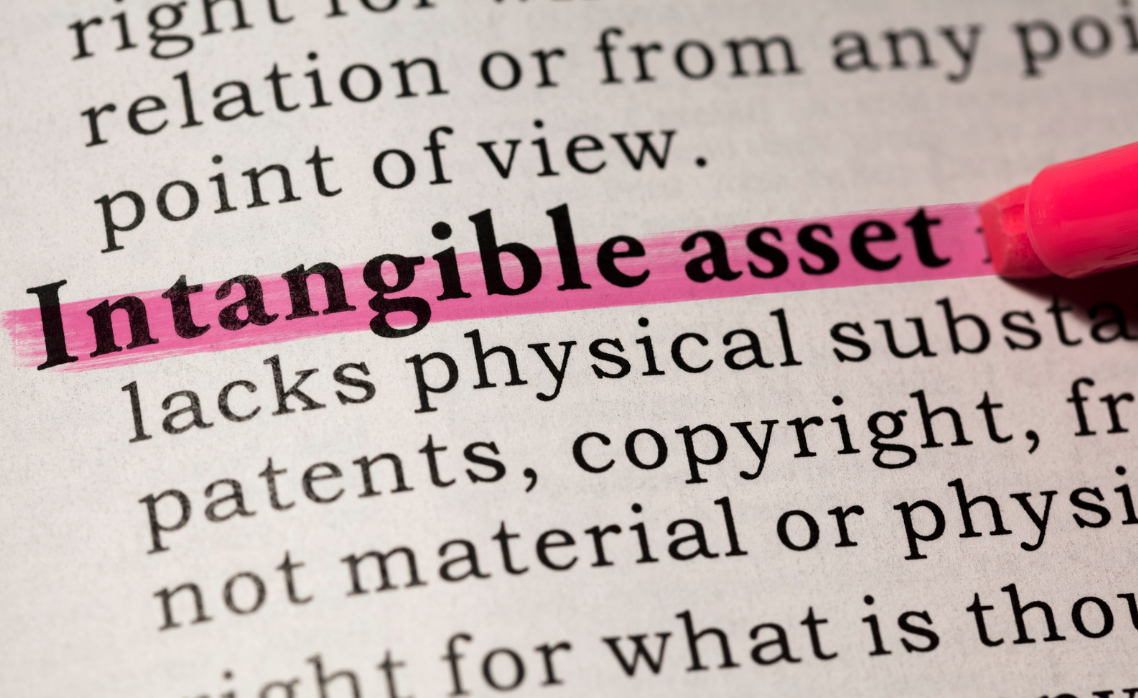
An intangible asset is something that has value but cannot be touched or physically measured. These assets play a major role in the success of many modern businesses, especially those built on brand identity, specialized knowledge, or exclusive rights. Examples include trademarks, copyrights, patents, software, and business operating rights. Although intangible assets are not physical, they can contribute significantly to a company’s earnings. When you buy a franchise, you are purchasing access to a set of intangible assets that allow you to operate under an established brand.
What You Receive When Buying a Franchise
A franchise system provides more than equipment, supplies, or a physical location. The core value lies in the name, the business model, and the support offered by the franchisor. You receive the right to use the brand’s trademarks, proven systems, training programs, and sometimes exclusive territory rights. These elements cannot be held in your hand, but they shape how you run the business and how customers view your location. These rights are what make a franchise recognizable and trustworthy. Because of this, the franchise agreement and the rights it grants are considered intangible assets.
Why Franchises Are Classified as Intangible Assets
A franchise is classified as an intangible asset because the main value comes from the franchise system itself rather than physical property. The franchise fee you pay at the beginning gives you the right to access the brand, use its operating structure, and benefit from its reputation. Without these components, the physical parts of the business, such as furniture or equipment, would not offer the same earning potential. The intangible aspects of a franchise add value by providing customer trust, established marketing, and a proven approach to operations. These advantages often make franchised businesses easier to launch and more predictable than starting from scratch.
How Intangible Assets Are Treated in Your Financial Records
In Canadian accounting, intangible assets like franchise rights are recorded differently than physical assets. The franchise fee you pay upfront is usually treated as an asset because it provides long-term value over the life of the franchise agreement. This value may be spread out on your financial statements over several years. This process helps show the long-term benefit of purchasing the franchise. Understanding how this works can help franchisees make informed decisions about financing, taxes, and long-term planning. Speaking with a Canadian accountant who understands franchise accounting is often helpful when setting up financial records.
Why Intangible Value Matters for Franchisees
Recognizing a franchise as an intangible asset also helps you understand what you are truly investing in. You are not just buying products, equipment, or a storefront. You are buying access to a larger network, established brand loyalty, and systems that have already been tested in the Canadian market. These advantages often influence the success of a franchise more than any physical assets. When evaluating a franchise opportunity, it is important to consider how strong the brand is, how effective the system has been for other franchisees, and whether the support provided adds meaningful value.
Conclusion
A franchise is considered an intangible asset because it provides rights, systems, and brand recognition rather than physical property. For Canadians looking to invest in a franchise, understanding this concept helps clarify what you are paying for and how it contributes to long-term business success. While equipment and supplies matter, the true value of a franchise lies in the brand and the proven model behind it. By recognizing the importance of intangible assets, franchise buyers can make better decisions and build a stronger foundation for their business.