
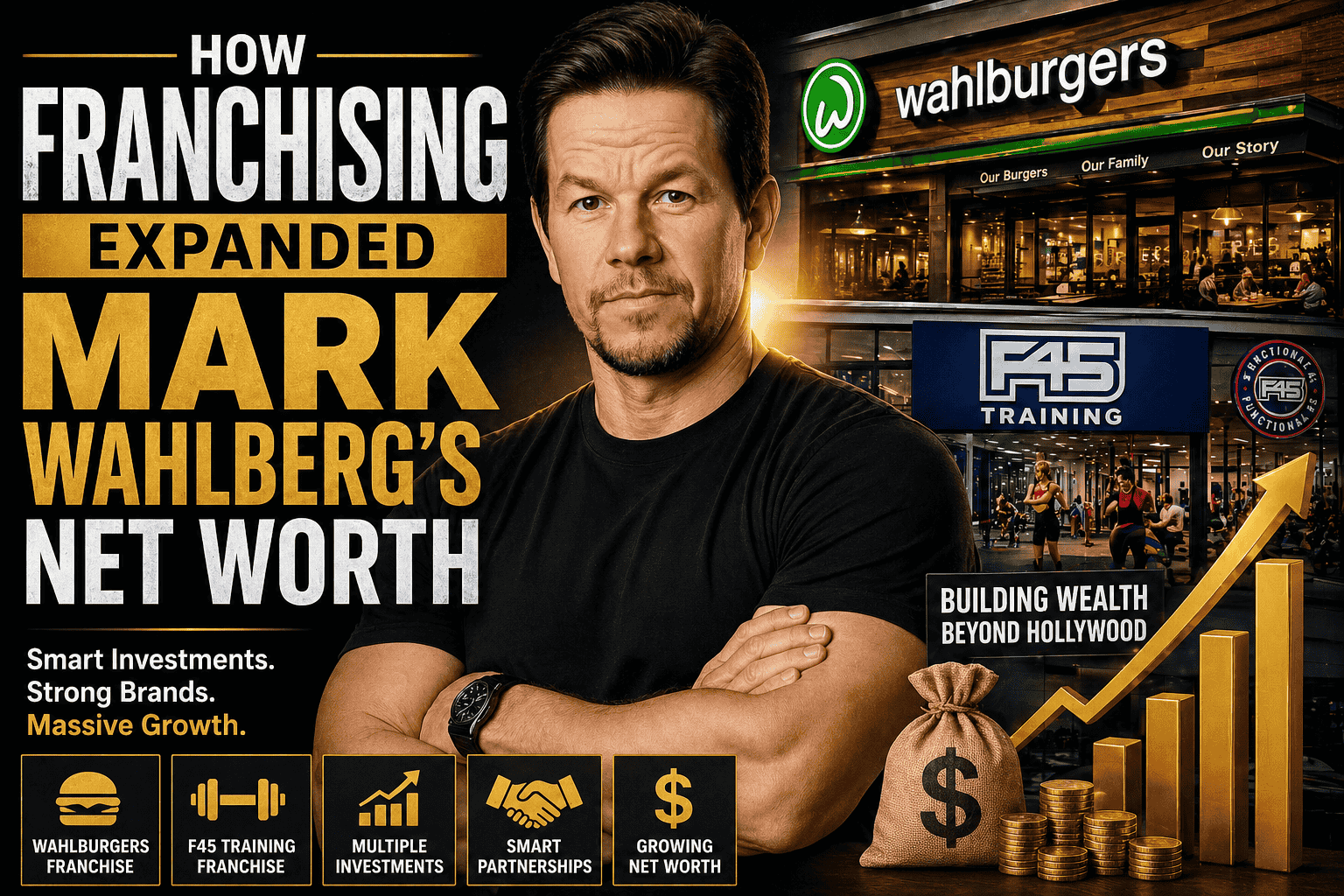
Mark Wahlberg is best known for his successful career in Hollywood, starring in major films and building a strong personal brand. However, acting is only one part of his story. Over the years, Wahlberg has quietly built a powerful business portfolio, with franchising playing a key role in expanding his wealth. By investing in proven brands and focusing on steady growth, he has turned his celebrity status into long-term financial success. His journey shows how smart business decisions can multiply income far beyond entertainment.
From Entertainment to Entrepreneurship
Wahlberg started his career in music before moving into acting, where he became one of the highest-paid stars in the industry. While earning millions from films, he began thinking about how to build wealth outside of Hollywood. He understood that acting income could slow down over time, so he looked for opportunities that could provide steady returns.
Instead of starting businesses from scratch, Wahlberg leaned toward partnerships and franchising. This approach allowed him to enter established markets with lower risk. He focused on industries that had strong demand and long-term growth potential, such as food and fitness.
The Power of Wahlburgers
One of Wahlberg’s most well-known business ventures is Wahlburgers, a burger franchise he co-founded with his brothers. The brand started as a single restaurant but quickly expanded into multiple locations across different regions.
Wahlburgers became more than just a restaurant. It turned into a recognizable brand supported by media exposure, including a reality television show. This helped attract customers and build loyalty. As the brand grew, franchising allowed it to expand faster without requiring full ownership of every location.
By using franchising, Wahlberg was able to scale the business while sharing operational responsibilities with partners. This reduced risk while increasing overall revenue.
Expanding into Fitness
Another major part of Wahlberg’s franchising success comes from the fitness industry. He invested in F45 Training, a global fitness brand known for its group workout programs that even ranked 13th for franchises across North America. This move aligned well with his personal image, as he is widely recognized for his dedication to health and fitness.
F45 operates through a franchise model, allowing gym owners to open locations under the brand name. Wahlberg’s involvement brought attention to the company, helping it grow rapidly. As more franchises opened, the overall value of the business increased.
This investment showed his ability to identify trends. Fitness has become a major global industry, and Wahlberg positioned himself early in a brand that could scale quickly.
Diversifying Income Streams
Wahlberg did not rely on a single franchise. He spread his investments across different sectors, which helped protect his wealth. By combining food, fitness, and other ventures, he created multiple streams of income.
This diversification is important in business. If one industry slows down, others can continue to generate revenue. Wahlberg’s approach allowed him to maintain financial stability while still growing his net worth.
He also worked with experienced partners who understood each industry. This allowed him to focus on strategy rather than daily operations. Strong partnerships played a major role in the success of his franchising efforts.
Using Celebrity Influence
Wahlberg’s fame gave him a strong advantage, but he used it carefully. Instead of attaching his name to random products, he chose businesses that matched his lifestyle and values. This made his involvement feel more authentic.
His public image helped attract customers and investors. People were more likely to trust brands connected to him. At the same time, his businesses were built on solid foundations, not just celebrity appeal.
By combining brand power with smart investments, Wahlberg created a system where his influence supported business growth without being the only reason for success.
Long-Term Vision and Growth
A key factor in Wahlberg’s success is his focus on the long term. He did not look for quick profits. Instead, he invested in businesses that could grow over time.
Franchising played a central role in this strategy. It allowed his businesses to expand into new markets without requiring large amounts of capital for each location. As more franchises opened, his overall earnings increased.
He also stayed involved in his investments, learning about each industry and adapting when needed. This hands-on approach helped him make better decisions and avoid common mistakes.
All In All
Mark Wahlberg’s journey from actor to successful businessman highlights the power of franchising as a wealth-building tool. By investing in proven brands like Wahlburgers and F45 Training, he created businesses that could grow steadily over time.
His strategy was simple but effective: choose strong industries, partner with experts, and focus on long-term growth. Franchising allowed him to expand quickly while managing risk, turning his earnings into a lasting financial empire.
Wahlberg’s story shows that building wealth is not just about earning money—it is about making smart decisions with it. Through franchising, he transformed his success in entertainment into a powerful and growing business legacy.