
Access to capital is a common challenge for franchisees in Canada, especially for those looking to grow, renovate, or improve cash flow without taking on traditional debt. One financing option that is gaining attention is the sale-leaseback. This strategy allows franchisees to unlock the value tied up in their property while continuing to operate their business as usual. When used correctly, sale-leasebacks can provide flexibility and financial breathing room for franchise owners.
What Is a Sale-Leaseback?
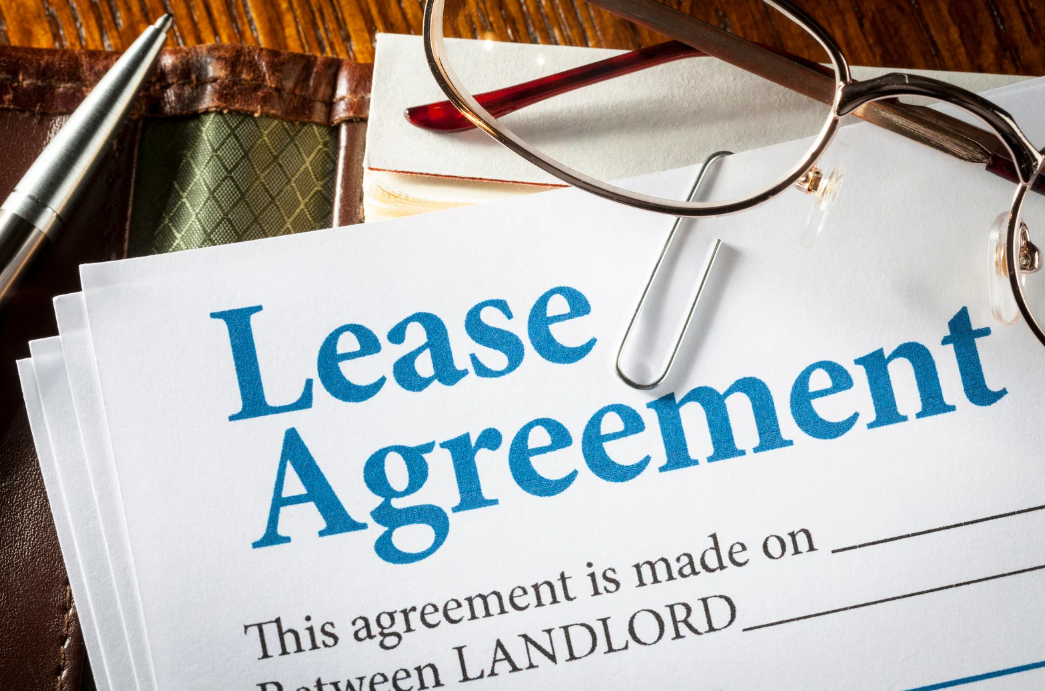
A sale-leaseback is a transaction where a franchisee sells a property they own, such as a restaurant or retail location, to an investor and then leases it back under a long-term agreement. The franchisee receives a lump sum of cash from the sale while retaining full operational control of the business at the same location. The lease terms are typically agreed upon at the time of sale, providing clarity and stability.
Why Franchisees Use Sale-Leasebacks
Many Canadian franchisees invest heavily in real estate when opening a location. Over time, that property may increase in value, creating significant equity. A sale-leaseback allows franchisees to turn that equity into usable capital without closing or relocating the business. This can be especially helpful for funding expansion, opening additional franchise units, upgrading equipment, or strengthening working capital.
Improving Cash Flow and Liquidity
One of the biggest benefits of a sale-leaseback is improved cash flow. Instead of having capital tied up in property, franchisees gain immediate liquidity. This cash can be reinvested into the business to drive growth or used as a financial buffer during slower periods. While rent becomes an ongoing expense, many franchisees find the trade-off worthwhile for the flexibility it provides.
Supporting Franchise Growth
For multi-unit franchisees, sale-leasebacks can be a powerful growth tool. Unlocking capital from one location can help fund the purchase of additional franchises without relying solely on bank loans. This approach allows owners to scale faster while preserving borrowing capacity. In Canada’s competitive franchise market, access to flexible capital can make a significant difference.
Considerations and Risks
While sale-leasebacks offer advantages, they are not suitable for every franchisee. Selling a property means giving up future real estate appreciation. Long-term lease obligations must also be carefully reviewed to ensure they align with the franchise agreement. Rent increases, lease length, and renewal options should be considered closely. Professional advice is important to ensure the transaction supports long-term business goals.
Impact on Franchise Agreements
Franchisees must ensure their franchisor approves any sale-leaseback arrangement. Many franchise agreements include specific requirements related to property ownership and leasing. Clear communication with the franchisor helps avoid conflicts and ensures compliance. A well-structured sale-leaseback can strengthen a franchisee’s position while maintaining a positive relationship with the franchisor.
A Strategic Tool for Canadian Franchisees
In Canada, sale-leasebacks are increasingly viewed as a strategic financial tool rather than a last resort. With rising property values in many regions, franchisees may be sitting on untapped capital. When used responsibly, sale-leasebacks can support stability, growth, and long-term planning without disrupting daily operations.
Conclusion
Sale-leasebacks can be an effective way for Canadian franchisees to unlock capital while continuing to operate their business. By converting property equity into cash, franchise owners gain flexibility to invest, expand, or strengthen cash flow. While careful planning is essential, a well-executed sale-leaseback can be a smart financial move that supports sustainable franchise growth.