The coffee industry in Canada has long been dominated by traditional café franchises. These businesses offer a familiar experience with seating, baristas, and a wide menu. However, a new trend is emerging that is changing the way coffee is served: robotic coffee kiosks. These automated systems are gaining attention for their efficiency, lower costs, and convenience. As a result, many investors are beginning to see them as a strong alternative to traditional café franchises.
What Are Robotic Coffee Kiosks?
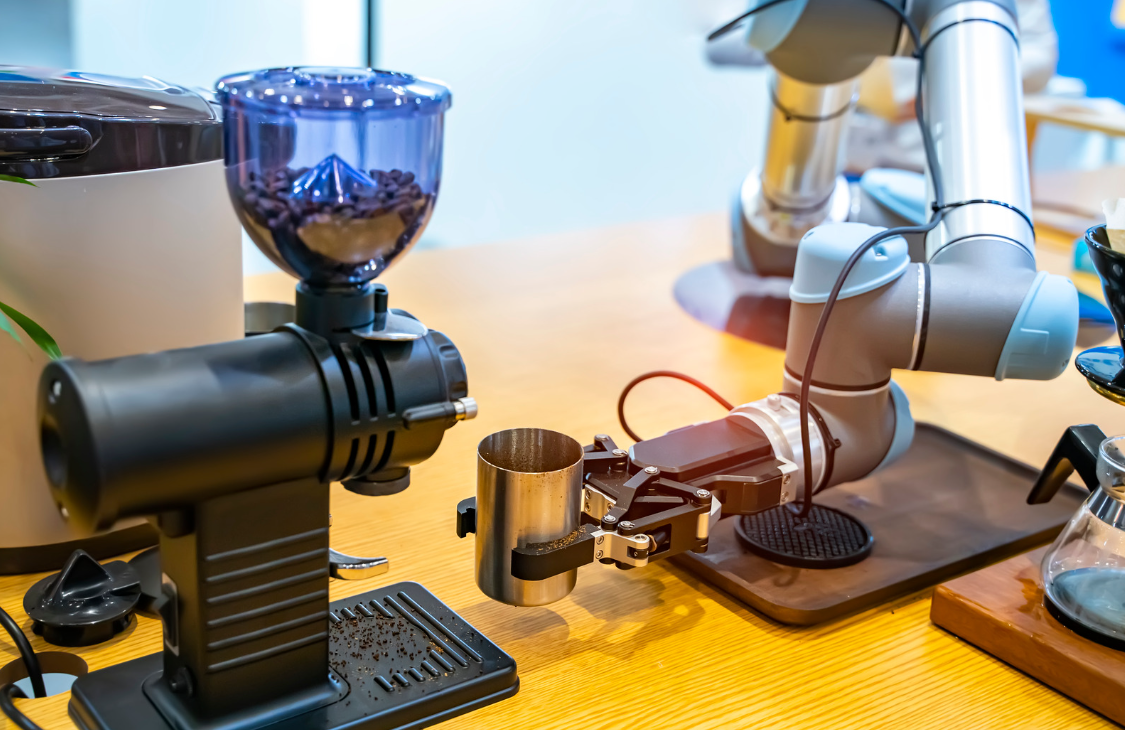
Robotic coffee kiosks are small, automated stations that prepare and serve coffee using machines instead of human baristas. Customers place orders through a touchscreen or mobile app, and the system handles the rest.
In Canada, these kiosks are often located in high-traffic areas such as shopping centres, office buildings, and transit hubs. Their compact size and automated nature make them easy to install in locations where a full café would not be practical.
Lower Startup Costs
One of the biggest reasons robotic coffee kiosks are outperforming traditional cafés is their lower startup cost. Opening a full café requires significant investment in space, renovations, furniture, and equipment.
In Canada, where commercial rent can be high, this can be a major barrier. Robotic kiosks require much less space and fewer build-out costs, making them more affordable for investors.
Lower initial investment reduces financial risk and makes it easier to enter the market.
Reduced Labour Costs
Labour is one of the largest expenses for traditional café franchises. Hiring and managing staff, including baristas and supervisors, adds ongoing costs and complexity.
Robotic kiosks eliminate most of these expenses. With minimal staffing required, operating costs are significantly lower. In Canada, where minimum wage and labour costs continue to rise, this is a major advantage.
Fewer staff also means fewer scheduling issues and less turnover.
Consistent Quality and Speed
Automation allows robotic kiosks to deliver consistent quality with every order. Machines follow precise measurements and processes, ensuring each drink is made the same way every time.
In Canada, where customers value both quality and convenience, this consistency can be a strong selling point. Orders are also prepared quickly, reducing wait times and improving customer satisfaction.
This efficiency allows kiosks to handle high volumes of orders, especially in busy locations.
Smaller Footprint and Flexible Locations
Traditional cafés require larger spaces with seating areas, which limits where they can be located. Robotic kiosks, on the other hand, have a much smaller footprint.
In Canada, this allows them to be placed in locations that would not support a full café, such as office lobbies or transit stations. This flexibility increases the number of potential sites and helps reach more customers.
Lower rent and more location options can improve overall profitability.
Alignment with Changing Consumer Habits
Consumer behaviour in Canada is shifting toward convenience and speed. Many customers prefer to grab a coffee on the go rather than sit in a café.
Robotic kiosks are designed to meet this demand. With quick service and easy ordering, they cater to busy lifestyles. Mobile app integration also allows customers to order ahead, making the process even more convenient.
This alignment with modern habits gives robotic kiosks a competitive edge.
Challenges to Consider
Despite their advantages, robotic coffee kiosks are not without challenges. The initial cost of advanced technology can be high, and maintenance is important to keep the system running smoothly.
In Canada, customer experience may also be a factor. Some people still prefer the personal interaction of a traditional café. Building brand trust and ensuring reliability are key to overcoming these challenges.
The Future of Coffee Franchising
Robotic coffee kiosks are not likely to replace traditional cafés entirely, but they are becoming a strong complement to them. Their efficiency, lower costs, and flexibility make them an attractive option for investors.
In Canada, as technology continues to evolve and consumer preferences shift, these kiosks are expected to play a larger role in the coffee industry.
Conclusion
Robotic coffee kiosks are outperforming traditional café franchises in Canada due to lower startup and labour costs, consistent quality, and the ability to operate in smaller, flexible locations. They align well with modern consumer habits that prioritize speed and convenience.
While they come with their own challenges, their advantages make them a compelling option for entrepreneurs. As the industry continues to evolve, robotic kiosks are set to become an important part of the future of coffee franchising in Canada.