The fast food industry in Canada is changing rapidly, driven by technology, shifting customer habits, and rising operating costs. One of the most important trends shaping the future is the rise of ghost kitchens. Also known as virtual kitchens or delivery-only kitchens, these businesses operate without a traditional dine-in space. For franchise brands and investors, ghost kitchens are becoming an increasingly attractive model.
What Is a Ghost Kitchen?
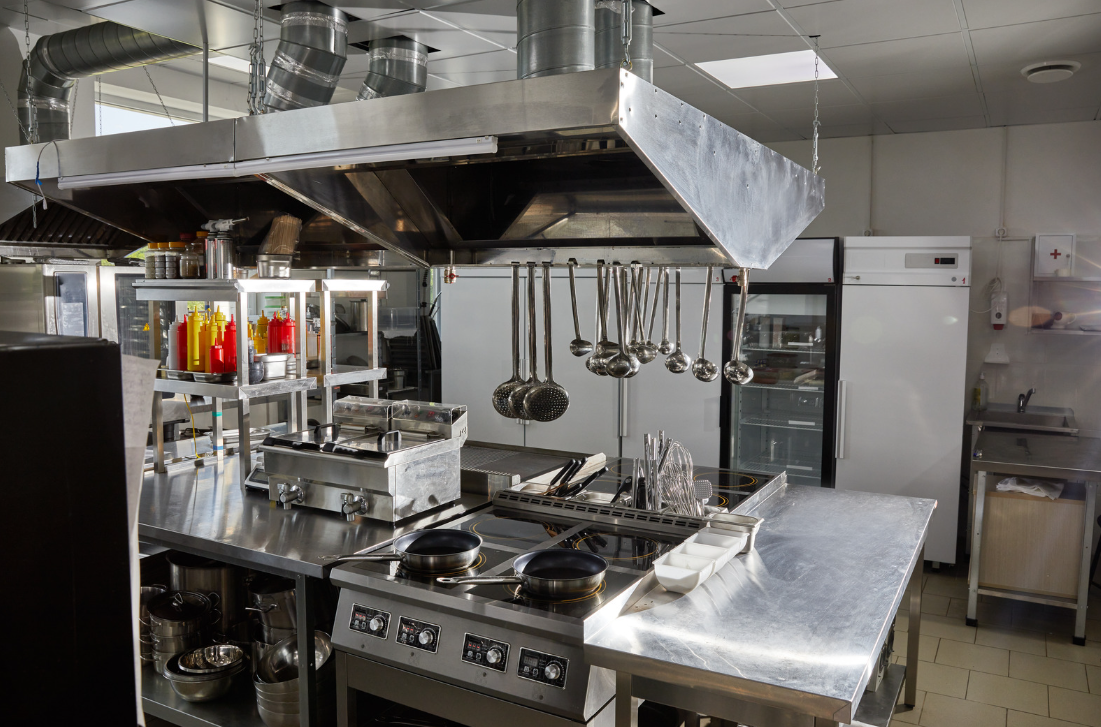
A ghost kitchen is a food business that prepares meals specifically for delivery or takeout. There is no dining area for customers, and orders are placed online through apps or websites.
In Canada, ghost kitchens are often located in shared kitchen spaces, industrial areas, or low-rent locations. This setup allows businesses to focus entirely on food preparation and delivery, rather than in-store service.
Lower Startup Costs
One of the biggest advantages of ghost kitchens is their lower startup cost compared to traditional fast food franchises. Without the need for a storefront, seating, or large renovations, initial investment is significantly reduced.
In Canada, where commercial rent and construction costs can be high, this is a major benefit. Lower upfront costs make it easier for entrepreneurs to enter the market and reduce financial risk.
Reduced Operating Expenses
Ghost kitchens also have lower ongoing expenses. Costs such as rent, utilities, and staffing are typically lower than in a full-service restaurant.
Since there is no need for front-of-house staff, fewer employees are required. This can help improve profit margins, especially in Canada where labour costs are rising.
By keeping operations simple and efficient, ghost kitchens allow franchise owners to focus on maximizing output and revenue.
Growth of Food Delivery
The popularity of food delivery has grown significantly across Canada. More customers are choosing to order meals from home rather than dine out.
Ghost kitchens are designed to meet this demand. They operate through delivery platforms and can reach a wide customer base without relying on foot traffic.
This shift in consumer behaviour makes ghost kitchens well-positioned for future growth in the fast food industry.
Flexibility and Scalability
Ghost kitchens offer a high level of flexibility. Franchise owners can test new menu items, adjust offerings, or even run multiple brands from the same kitchen.
In Canada, this flexibility is especially valuable in competitive markets. Operators can adapt quickly to changing customer preferences without making major investments.
Scaling the business is also easier. Opening additional ghost kitchen locations typically requires less time and money compared to traditional restaurants.
Ideal for Urban Markets
In large Canadian cities, space is limited and expensive. Ghost kitchens provide a solution by allowing businesses to operate in smaller, more affordable locations.
They can also be placed closer to high-demand areas, improving delivery times and customer satisfaction. This makes them particularly effective in dense urban environments where convenience is key.
Technology-Driven Operations
Ghost kitchens rely heavily on technology to manage orders, track performance, and communicate with delivery platforms. This digital approach improves efficiency and allows for better decision-making.
In Canada, where online ordering is widely used, technology plays a central role in the success of these businesses. Franchise owners can use data to optimize menus, pricing, and operations.
Challenges to Consider
Despite their advantages, ghost kitchens also have challenges. Competition on delivery platforms can be intense, making it important to stand out through branding and quality.
There is also less direct interaction with customers, which can make building loyalty more difficult. In Canada, strong online reviews and consistent service are essential for success.
Conclusion
Ghost kitchens are becoming a key part of the future of fast food franchises in Canada. With lower startup and operating costs, strong alignment with delivery trends, and flexible business models, they offer a modern approach to food service.
While they come with challenges, their ability to adapt to changing consumer behaviour makes them a powerful option for franchise investors. As the industry continues to evolve, ghost kitchens are likely to play an even bigger role in shaping the Canadian fast food landscape.