
Gym franchises are a popular investment choice for Canadians interested in the health and fitness industry. With increasing focus on wellness and active lifestyles, gym ownership can provide both personal satisfaction and financial opportunity. One of the first questions potential franchise owners ask is how much a gym franchise costs. Gym franchise expenses can vary widely depending on the brand, location, size, and services offered. This article explains the typical costs involved in buying and operating a gym franchise in Canada using simple language and real considerations for aspiring owners.
Initial Franchise Fee
The first cost you will encounter when buying a gym franchise is the initial franchise fee. This fee grants you the right to use the brand name and operating systems of an established fitness franchise. In Canada, this fee can range from moderate to substantial. Smaller or specialised fitness concepts often have lower franchise fees, while well-known national or international brands typically charge higher fees.
This initial fee is an entry point into the franchise system and includes access to training, branding, and sometimes initial marketing support. It is usually paid upfront when the franchise agreement is signed.
Facility and Equipment Costs
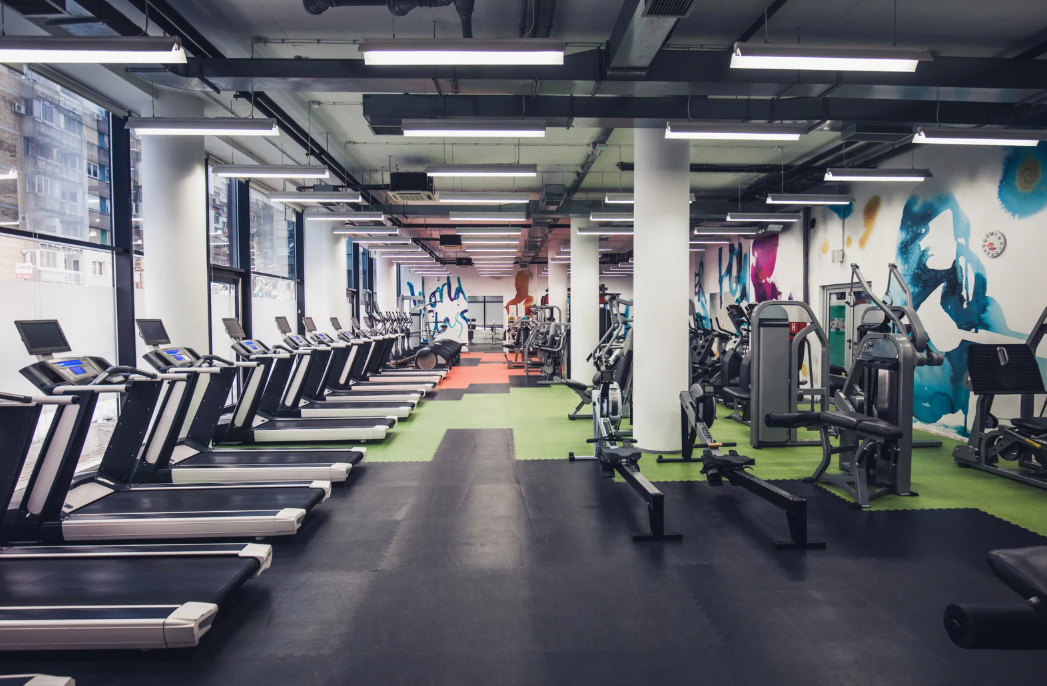
One of the largest expenses in a gym franchise is the physical space and equipment. Fitness facilities require sufficient square footage to house cardio machines, weight equipment, group training areas, locker rooms, and possibly specialized amenities like saunas or pools. Rent or property purchase costs vary greatly across Canada depending on the city or neighbourhood.
Gym equipment also represents a major investment. High-quality treadmills, weights, resistance machines, and functional training gear can be expensive. Many franchisors have preferred suppliers or standard equipment lists to ensure consistency across locations. Franchisees generally need to budget significant capital for outfitting their gym before opening.
Build-Out and Renovation Costs
In addition to leasing the space, most gym franchises require build-out and renovation to meet brand standards. This work may include installing flooring suitable for heavy equipment, changing rooms, electrical upgrades for cardio machines, mirrors, signage, and reception areas.
Build-out costs depend on the condition of the leased space and the brand’s design requirements. In high-traffic urban centres like Toronto or Vancouver, these costs may be higher due to labour and material expenses.
Operating Costs and Staffing
Once the gym is open, ongoing operating costs become a regular part of the business. These include utilities, equipment maintenance, insurance, licensing, and staff wages. Gyms typically employ trainers, front desk staff, cleaning crews, and possibly management, all of whom require training and compensation.
Operating costs also include marketing efforts to attract and retain members. While some franchise systems handle national marketing, local promotion and community engagement are often the responsibility of the franchisee.
Ongoing Fees
Most gym franchises require ongoing fees such as royalties and advertising contributions. Royalties are usually a percentage of monthly gross sales and help support the franchisor’s continued development, system updates, and national advertising. Advertising fees fund brand-level campaigns and may also support local marketing efforts.
These ongoing costs should be factored into your financial planning because they affect profitability over time.
Typical Total Investment Range
When you combine the initial franchise fee, facility costs, equipment, build-out, and initial operating expenses, the total investment for a gym franchise in Canada can vary widely. Smaller boutique fitness concepts or mobile personal training franchises may fall on the lower end of the spectrum. Traditional full-service gyms with large facilities and specialized equipment will require much higher investment.
It is common for total startup costs to fall into a broad range, where smaller models might be under $500,000 CAD while larger, full-feature gyms can exceed that significantly. Exact figures depend on the specific franchise, location, and scale of operations.
Conclusion
The cost of a gym franchise in Canada includes several major components: the initial franchise fee, facility and equipment costs, build-out expenses, operating and staffing costs, and ongoing franchise fees. These investments vary based on the brand and type of gym you choose to operate. Understanding all of these costs is essential for financial planning and long-term success. For Canadians interested in combining a passion for fitness with business ownership, a gym franchise offers a structured path, but careful planning and budgeting are key to making it a profitable venture.