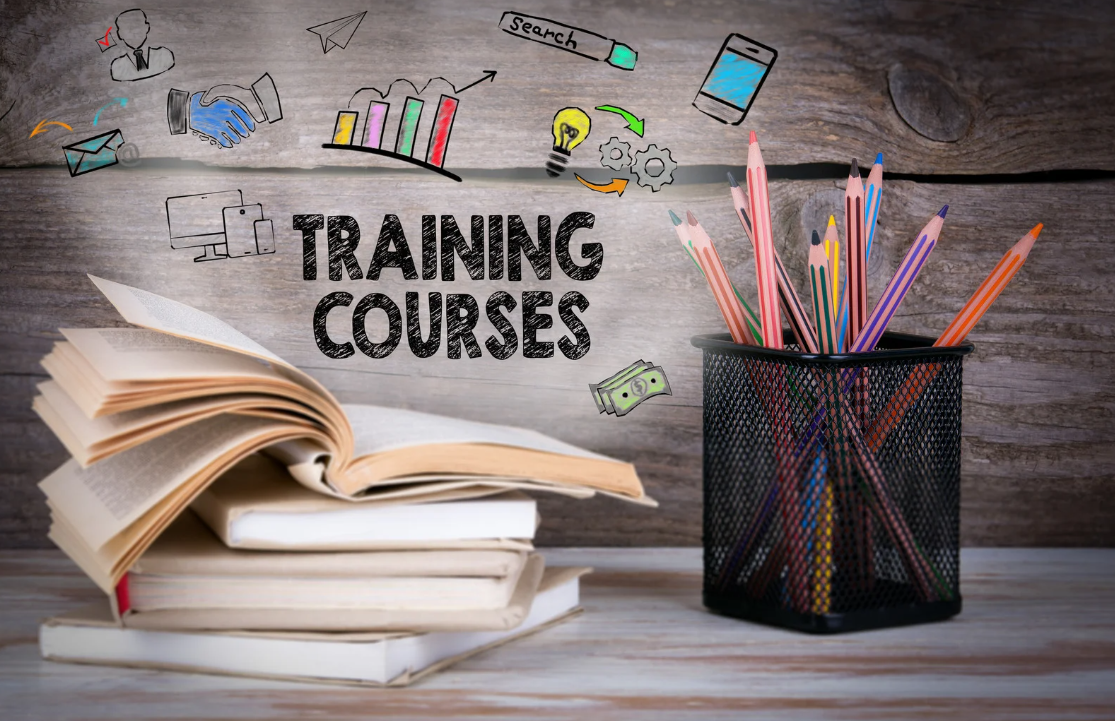
One of the biggest advantages of buying a franchise is the support provided by the franchisor. Unlike starting an independent business from scratch, franchise owners usually receive training and guidance that helps them learn how to operate the business successfully. For many first-time business owners in Canada, this support can be a major reason for choosing a franchise.
However, not all training and onboarding programs are the same. Some franchise systems offer extensive support, while others provide only basic instruction. Before investing in a franchise, it is important to evaluate the quality of the franchisor’s training and onboarding program. A strong program can help franchisees start their business with confidence and avoid common mistakes.
Understanding the Purpose of Training
The goal of franchise training is to teach new owners how to operate the business according to the franchisor’s standards.
Training often covers daily operations, customer service, marketing, technology systems, inventory management, and employee supervision. The program should provide enough information to help franchisees understand how the business works before opening their location.
A good training program helps reduce uncertainty and prepares owners for the challenges of running the business.
Reviewing the Length of the Program
One factor to consider is the length of the training program.
Some franchise systems offer training that lasts only a few days, while others provide several weeks of instruction. The appropriate length often depends on the complexity of the business.
Potential franchisees should ask how long the training lasts and whether it provides enough time to learn the skills required for successful operations.
Looking at the Training Topics
It is important to understand exactly what subjects are covered during training.
A comprehensive program should include both operational and business management topics. Franchisees should learn how to serve customers, manage employees, handle finances, follow brand standards, and use any required technology systems.
The more complete the training program, the better prepared franchisees may be when opening their business.
Evaluating Hands-On Learning
Many people learn best through practical experience.
Strong franchise training programs often include hands-on learning opportunities where franchisees can practice operating the business in a real-world environment. This may involve working in an existing franchise location or participating in simulated business activities.
Practical experience can help franchisees gain confidence before managing their own location.
Understanding the Onboarding Process
Training is only one part of the support provided by a franchisor.
The onboarding process helps franchisees prepare for opening day. This support may include site selection assistance, store setup guidance, equipment recommendations, marketing preparation, and operational planning.
A well-organized onboarding process can make the transition into business ownership much smoother.
Asking About Ongoing Support
Learning does not stop once the business opens.
Many successful franchise systems provide ongoing support after the initial training period. This may include additional training sessions, field support visits, online resources, and access to experienced support teams.
Franchisees should ask what types of support are available after opening and how often assistance is provided.
Speaking With Existing Franchisees
One of the best ways to evaluate a training program is to speak with current franchise owners.
Existing franchisees can often provide valuable insights into their training experience and explain whether they felt prepared to operate the business after completing the program.
Their experiences can help potential buyers understand the strengths and weaknesses of the franchisor’s support system.
Reviewing Training Materials
Training materials can also reveal a great deal about the quality of a franchise system.
Operations manuals, training guides, videos, and online resources should be clear, organized, and easy to understand. Well-developed materials often reflect a franchisor’s commitment to supporting franchisees.
Comprehensive resources can continue to be useful long after the initial training is completed.
Considering Your Own Experience
Every franchise buyer has a different background.
Someone with extensive management experience may require less support than a first-time business owner. When evaluating training programs, it is important to consider your own skills and determine whether the level of support offered meets your needs.
The right program should help fill any knowledge gaps and provide confidence for the future.
Closing Remarks
A franchisor’s training and onboarding program can play a major role in the success of a new franchise owner. For Canadians considering a franchise investment, it is important to evaluate the length of the training, the topics covered, the level of hands-on learning, and the ongoing support available after opening. Speaking with existing franchisees and reviewing training materials can also provide valuable insights. By carefully assessing the quality of a franchisor’s support system, prospective franchisees can make more informed decisions and choose a franchise that provides the tools needed for long-term success.